Table of Contents
- – The Exiles That Motivate Performance
- – Evidence-Based Tools for Initiating Your Heali...
- – When Success Fails to Address Inner Pain
- – What to Look For in a IFS Therapist Who Gets ...
- – Choosing the Ideal Narrative Therapy Provide...
- – Why Eye Movement Desensitization and Reproce...
- – Building a Future of Sustainable Success in ...
While everyone experiences despair in different ways, recognizing the numerous phases of despair can assist you prepare for and recognize several of the reactions you may experience throughout the grieving procedure. It can likewise assist you know your needs when grieving and locate methods to satisfy them. Understanding the grieving process can ultimately aid you work towards approval and healing.
You may identify sensations that a stage describes, and this will certainly assist you recognize which stage you are in. Stages can additionally come and go, and and earlier stage can return later.

Pain is an universal human experience that touches every person eventually in life. Whether it's the loss of a loved one, the end of a partnership, a career setback, or another significant adjustment, sorrow is the natural emotional response to loss. According to the American Psychological Organization, approximately 10-20% of individuals experience complex griefa consistent kind of extreme griefafter shedding somebody close to them.
It stands for the intensity of your love and the deepness of your loss. The negotiating stage usually involves a collection of "what if" and "so" thoughts as you mentally negotiate for a different end result: "So I had taken them to the physician earlier ..." "What if I had been a much better partner/friend/child?" "I promise to be a much better individual if this discomfort goes away"A 2020 testimonial in the Journal of Counseling Psychology located that negotiating thoughts happened in roughly 57% of bereaved people, with higher prices amongst those managing abrupt or unforeseen losses.
The Exiles That Motivate Performance
Approval does not imply you're "over it" or that the discomfort has actually gone away. Rather, it indicates you're discovering to live with the loss as component of your story: Adjusting to a new reality Locating new routines and patterns Experiencing moments of delight without guilt Having the ability to talk concerning the loss extra conveniently Developing meaning from your experienceA longitudinal research released in JAMA Psychiatry discovered that most bereaved individuals got to some level of approval within 6-24 months, though this timeline differs significantly depending on variables like connection to the dead and conditions of death.
If you're grieving, remember this: your pain mirrors the deepness of your connection. It's not something to "obtain over" yet instead to relocate through, bring your love and memories forward into a life that, while forever changed, can still hold meaning and pleasure.
Grief is an all-natural emotional reaction to loss. Grieving is a procedure that can help you come to terms with a loss, such as when an enjoyed one dies. Everyone experiences grief in a different way. Your experience of grief and exactly how you handle it will certainly depend on various variables. These may include your age, previous experiences with despair and your spiritual or spiritual views.
Evidence-Based Tools for Initiating Your Healing Journey with Narrative Therapy in Los Angeles
Awaiting sorrow indicates sensation unfortunate prior to the loss occurs. Instead of regreting for the individual, that is still with you, you may feel pain for the important things you will not reach do together in the future. When facing a considerable loss, such as the fatality of a loved one, it is natural to feel numerous solid feelings.
This doesn't mean you have surrendered on the person or that you do not care for them. People detected with a terminal disease and those facing the death of a liked one may experience awaiting pain. If you have actually been detected with an incurable disease, you may experience lots of feelings consisting of shock, fear and sadness.
You regret shed opportunities or experiences you'll miss also tiny ones, such as the pleasure of the sunshine or a warm mug of coffee. If someone you enjoy is facing an incurable ailment, it prevails to experience anticipatory grief in the months, weeks and days before fatality. You may regret the very same points your enjoyed one is mourning, or different losses completely.
When Success Fails to Address Inner Pain
You might really feel awaiting despair If your loved one is confused or subconscious for a long period of time (e.g. with delirium or dementia). You might really feel that the person you knew is already gone, also if they are still physically there. If your enjoyed one has a decrease in physical health or wheelchair, you may feel anticipatory pain as you shed the chance to share experiences, such as leisure activities, holidays or events.
This is particularly true if you spend a lot of time caring for the individual. You might miss activities you made use of to delight in together and feel grief regarding the modification in your relationship. The nature of your partnership may alter as you tackle a carer's function, or end up being the one being taken care of.
What to Look For in a IFS Therapist Who Gets Professionals
Feelings of pain before fatality are typical it is necessary to acknowledge them, and to speak about them. Experiencing awaiting pain does not necessarily suggest that you will regret your liked one any less after they are gone. Carers of individuals that are terminally ill may end up being closer to their loved one, making their sensations of despair after death also much more intense.
Lifeline provides assistance for individuals experiencing emotional distress. Beyond Blue provides information and support for people experiencing psychological health troubles consisting of sorrow. Griefline Call 1300 845 745 for assistance offered to grownups matured 18 years and over. Mensline supplies telephone and online coaching and support to men in Australia. Cancer cells Council offers information and support to people with cancer and their loved ones.
Choosing the Ideal Narrative Therapy Provider in Your Area for Healthcare Worker Therapy
In truth, we do not experience feelings of grief one at a time or in a specific order. You may experience these points due to the fact that they are all regular sensations of despair.
Some people really feel numb after the death of an individual they cared about. If you experience this, it could be due to the fact that it's just also difficult to believe that the individual you know so well is not coming back.
Why Eye Movement Desensitization and Reprocessing Works for Complex Trauma
Perhaps they promise themselves that they will certainly currently constantly do (or not do) something, believing that it could make the individual that has actually passed away come back. Individuals might also find that they keep going back over the past and ask whole lots of 'what if' inquiries, wanting that they might go back and alter points so that they could have transformed out in a different way.
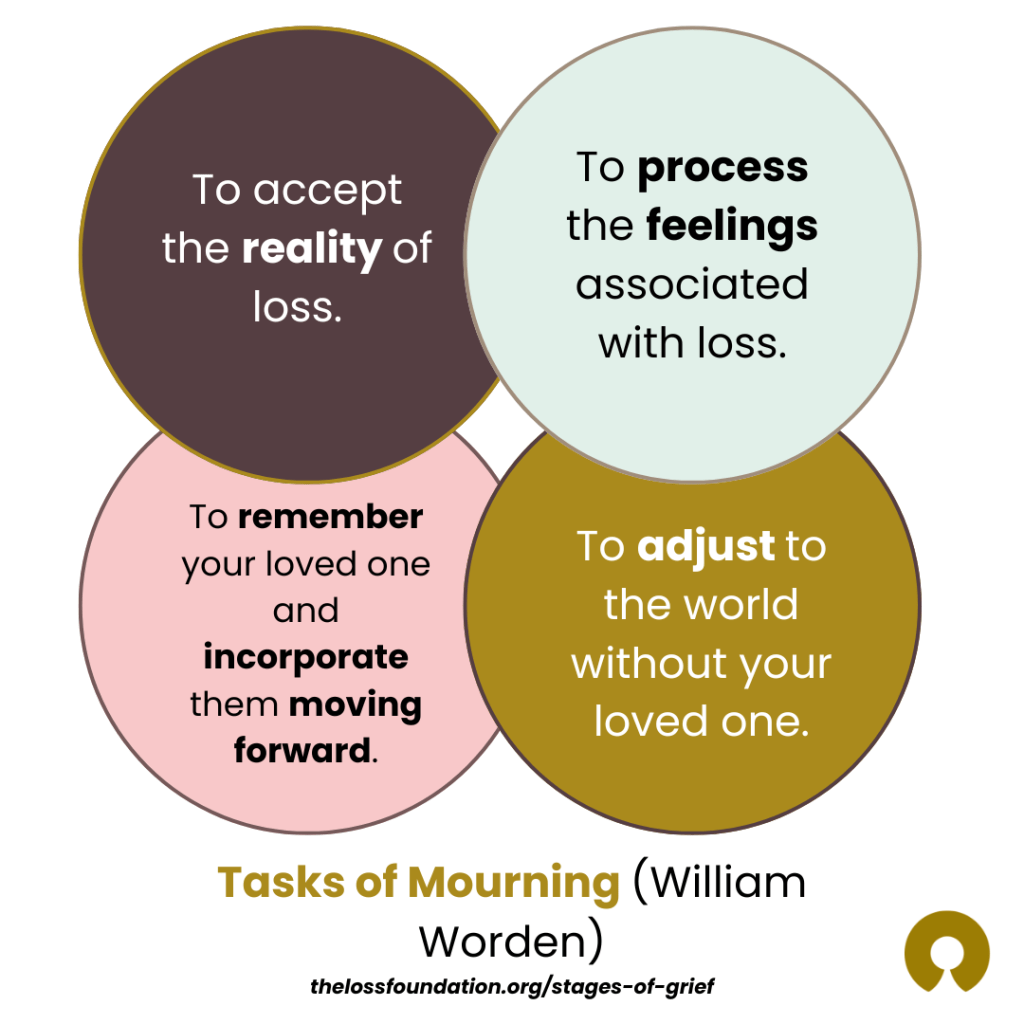
These sensations can be very extreme and unpleasant, and they may come and go over many months or years. Most individuals discover that uncomfortable feelings like this become less solid over time. If you do not feel this holds true for you, then you need to request for assistance.
Her model became commonly approved as a method to recognize grief, however with time, pain counsellors and scientists broadened upon it, leading to the development of the. This extended model incorporates extra emotional responses that people may experience: The first reaction to loss frequently brings shock and shock. This stage serves as a safety system, allowing us to absorb the truth of our loss in workable doses.
Building a Future of Sustainable Success in the Los Angeles Area
Sensations of remorse or sense of guilt might arisewondering if you can have done something in a different way, or sensation sorrow over points left unsaid. Sorrow can materialize as angertoward yourself, others, or even the person who has actually passed.

Table of Contents
- – The Exiles That Motivate Performance
- – Evidence-Based Tools for Initiating Your Heali...
- – When Success Fails to Address Inner Pain
- – What to Look For in a IFS Therapist Who Gets ...
- – Choosing the Ideal Narrative Therapy Provide...
- – Why Eye Movement Desensitization and Reproce...
- – Building a Future of Sustainable Success in ...
Latest Posts
Addressing Self-Esteem Challenges Via Psychodynamic Approaches in Professional Treatment
When Family Systems Therapy Heals Unspoken Cycles Across Generations
Family-Focused Involvement supporting OCD Healing
Navigation
Latest Posts
Addressing Self-Esteem Challenges Via Psychodynamic Approaches in Professional Treatment
When Family Systems Therapy Heals Unspoken Cycles Across Generations
Family-Focused Involvement supporting OCD Healing